

Understanding ChatGPT: An Overview
Before diving into the practical applications of ChatGPT in grading, it's essential to understand what it is and how it operates. ChatGPT is a sophisticated AI model developed by OpenAI that processes and generates human-like text based on the prompts it receives. Its capabilities can be leveraged in educational settings, particularly in the realm of grading.
The Role of AI in Education
Artificial Intelligence (AI) is increasingly finding its way into educational practices. From personalized learning to administrative efficiency, AI tools like ChatGPT are transforming how educators interact with students and manage workloads. With growing demands on teachers' time, AI can provide significant support in automating repetitive tasks, allowing educators to focus more on student engagement and instruction.
Moreover, the integration of AI in education can foster improved learning outcomes, as students can receive immediate feedback and tailored guidance. This adaptive learning approach supports diverse learning styles and needs, which is essential in today’s diverse classroom environments. For instance, AI can analyze a student's performance over time, identifying patterns and suggesting resources that align with their unique learning trajectory, thus enhancing their overall educational experience.
How ChatGPT Works
ChatGPT utilizes deep learning models trained on diverse datasets, enabling it to understand and generate text. When a teacher inputs a student's paper, ChatGPT analyzes the content, structure, and language used, providing feedback based on predefined criteria. Its ability to process large volumes of text quickly makes it a powerful tool for grading assignments and providing insights.
To make the best use of ChatGPT, educators can familiarize themselves with its features and limitations. Understanding the nuances of the AI's responses will empower teachers to guide students more effectively and make informed decisions regarding grading and feedback. Additionally, as educators engage with ChatGPT, they can contribute to its ongoing development by providing feedback on its performance, helping to refine the model and enhance its effectiveness in educational contexts. This collaborative approach not only improves the AI's capabilities but also fosters a deeper understanding of how technology can be integrated into teaching and learning practices.
The Benefits of Using ChatGPT for Grading
Integrating ChatGPT into the grading process offers several advantages that can enhance both the efficiency and effectiveness of assessments in the classroom. With its ability to provide rapid feedback and maintain consistency, many teachers are finding AI support to be beneficial.
Saving Time and Effort
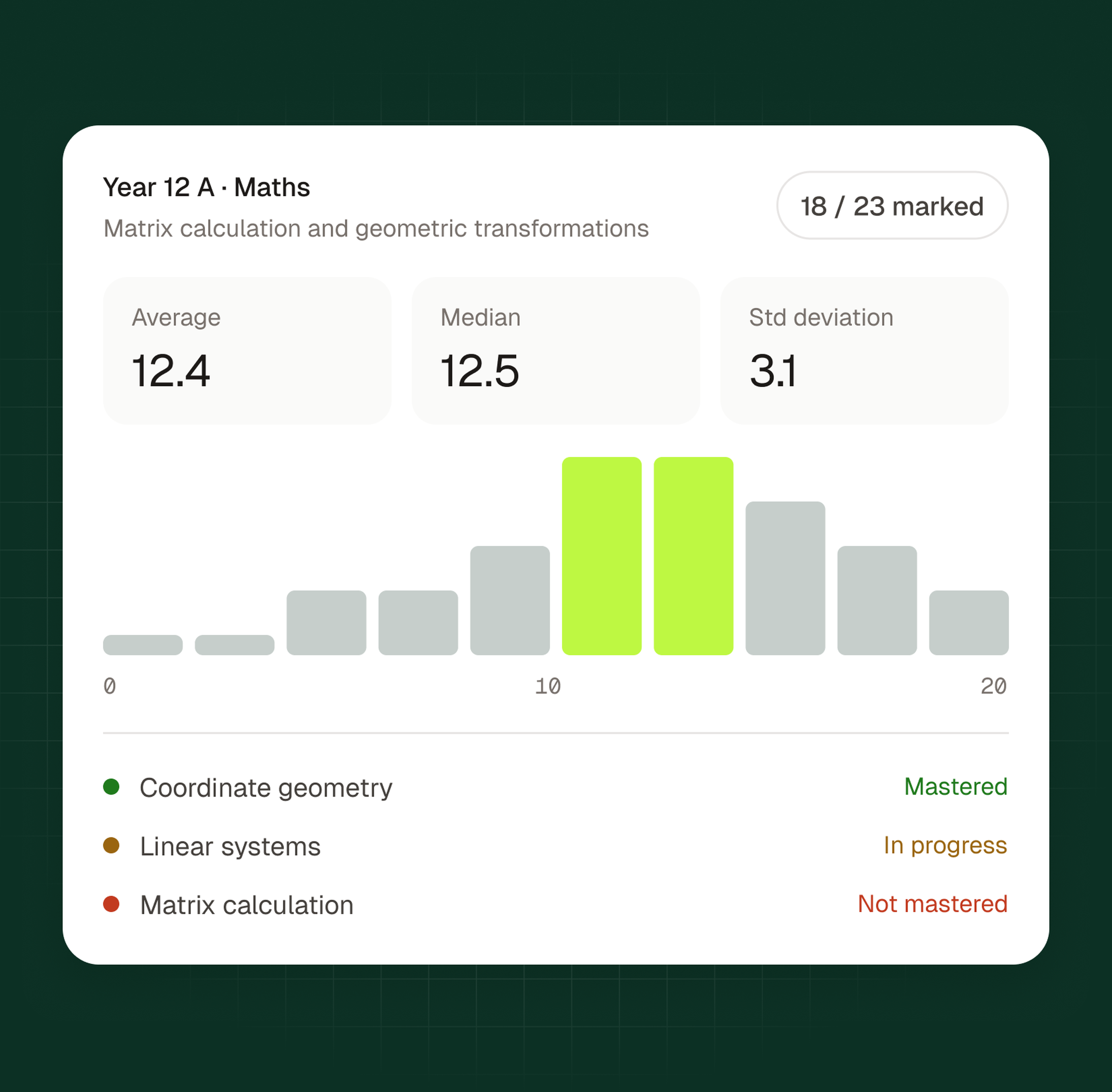
One of the most significant challenges teachers face is the sheer volume of papers to grade. ChatGPT can process assignments and offer initial feedback as a first pass before you read each paper. This efficiency not only saves time but also reduces the mental burden associated with grading.
By leveraging AI, teachers can allocate more time to lesson planning, student interactions, and other critical teaching responsibilities, ultimately enhancing overall educational quality. Additionally, the ability to quickly assess large batches of assignments means that teachers can provide timely feedback, which is essential for student learning. When students receive prompt responses to their work, they are more likely to engage with the material and make necessary adjustments, leading to improved performance and understanding.
Providing Consistent Feedback
Consistency is crucial in grading, as it ensures fairness and transparency in assessments. ChatGPT can standardize feedback, ensuring that similar responses receive comparable evaluations. This consistency helps reduce biases that may arise from fatigue or subjective judgment.
Furthermore, teachers can tailor the feedback provided by ChatGPT to align with specific learning objectives and metrics, creating a cohesive framework for assessments that supports student growth and progress. This adaptability allows educators to incorporate diverse assessment styles, from essays to multiple-choice questions, while still maintaining a uniform approach to grading. As a result, students can better understand their strengths and weaknesses, as the feedback they receive is not only consistent but also constructive, guiding them toward areas for improvement and mastery.
Setting Up ChatGPT for Grading
Getting started with ChatGPT for grading purposes requires some technical knowledge and setup. Teachers need to ensure they have the appropriate resources and understand how to navigate the AI's features effectively.
Technical Requirements
Before using ChatGPT, educators should confirm they have access to the necessary technical resources. This includes a reliable internet connection and a device capable of running the AI. While ChatGPT can be accessed through various platforms, optimizing its use often requires a basic understanding of how to input data and interpret its outputs.
Additionally, familiarize yourself with the privacy policies related to student information, as data security is paramount when using AI tools in educational settings. It is essential to understand how the platform handles sensitive data and what measures are in place to protect student privacy. This may involve reviewing encryption protocols, data storage practices, and compliance with regulations like FERPA (Family Educational Rights and Privacy Act) to ensure that student information remains confidential and secure.
Step-by-Step Setup Guide
Start by registering for an account on ChatGPT.
Prepare the grading rubric or parameters you’d like ChatGPT to follow when providing feedback on assignments. For AP essays, you can start from the official criteria in our free AP essay rubrics (DBQ, LEQ and AP Lang).
Input a sample paper to assess ChatGPT’s feedback accuracy and relevance.
Adjust prompts and guidelines as necessary to tailor the AI's responses to your teaching style and assessment criteria.
Try Examino for free
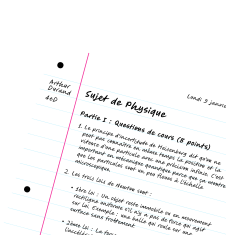
Scan handwritten papers with your phone camera, no app to install, and grade them with AI in any subject.
Maximize your teaching impact by minimizing your grading workload. 10 free papers a month.
Once you have established a comfortable workflow with ChatGPT, consider conducting a pilot test with a small group of assignments. This will allow you to gauge the AI's performance and make any necessary adjustments before implementing it on a larger scale. Gathering feedback from students on the AI-generated feedback can also provide valuable insights into its effectiveness and areas for improvement. Engaging students in this process not only enhances their learning experience but also fosters a collaborative environment where technology and education intersect.
Furthermore, it is beneficial to stay updated with any new features or updates released by the AI platform. Many providers regularly enhance their systems based on user feedback, and being aware of these changes can help educators leverage the full potential of ChatGPT. Joining online forums or communities of educators who are also using AI for grading can provide additional support and innovative ideas for integrating this technology into your teaching practices.

Best Practices for Grading with ChatGPT
Using ChatGPT effectively requires educators to adopt best practices that enhance its utility while maintaining pedagogical integrity. In practice, you read the feedback, change the grade where needed and validate it before it goes back to students.
Setting Grading Parameters
Teachers should establish clear grading parameters to guide ChatGPT’s feedback. These parameters can range from grammar and punctuation to more complex criteria like argument structure and creativity. By providing well-defined instructions, educators can help ensure that the AI's feedback aligns with their educational goals.
It’s essential to revisit these parameters regularly, as they may evolve with changes in curriculum standards or pedagogical strategies.
Interpreting ChatGPT's Feedback
Treat ChatGPT’s feedback as a first draft. Read each comment, correct what is wrong or missing, and set the final grade yourself, using what you know about each student’s needs.
This collaborative approach between teacher and AI can foster improved learning outcomes, as students benefit from both automated feedback and personalized insights from their instructor.
Addressing Potential Challenges
While the benefits of using ChatGPT for grading are numerous, there are also potential challenges that educators may face. Being aware of these challenges can help teachers devise strategies to mitigate them.
Ensuring Fair and Accurate Grading
One of the primary concerns with AI grading is the fear of bias and inaccuracies. To ensure fair and accurate grading, educators should continuously evaluate ChatGPT’s outputs and remain vigilant about any discrepancies that may arise. This involves cross-referencing AI feedback with human judgment and adjusting grading practices accordingly.
By combining the strengths of AI with the insights of educators, schools can create a balanced approach to grading that upholds academic integrity while harnessing technological advancements.
In conclusion, integrating ChatGPT into the grading process can significantly enhance efficiency and effectiveness in education. By understanding its capabilities, establishing best practices, and addressing potential challenges, teachers can leverage this powerful tool to improve feedback and ultimately foster better learning environments for their students.
If you want a tool built for grading, Examino, used by 30,000+ educators, grades handwritten and typed papers in any subject, at any level, against any rubric. You scan papers with your phone camera via a QR code, with no app to install. Use it as an AI essay grader for written assignments or as an AI math grader for math work. You review the feedback, change the grade where needed and validate before exporting to Word or PDF, and Examino generates targeted remediation exercises from the difficulties it finds.